
Is Pakistan Finally Ready for Electric Cars?
From expanding charging infrastructure and government support to new EV brands and consumer confidence, here's how prepared Pakistan really is for an electric future.

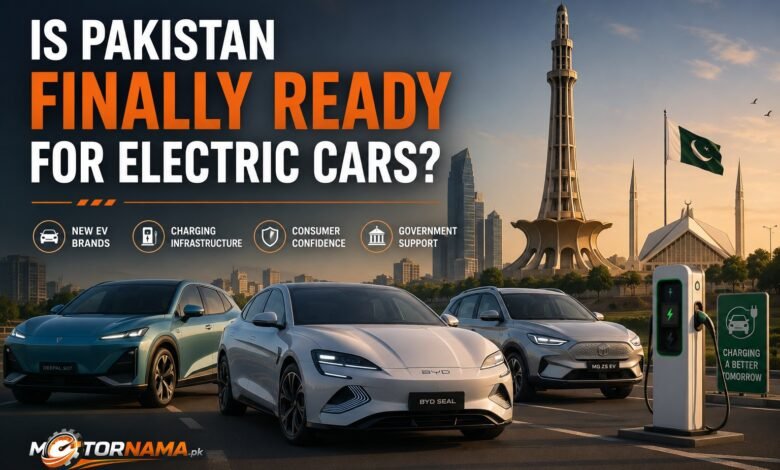
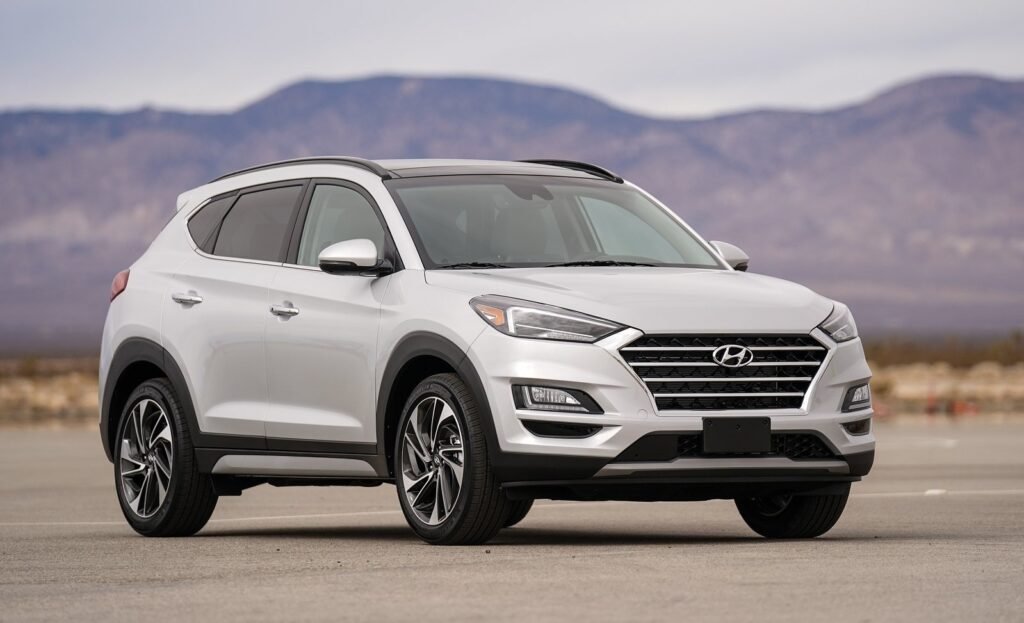
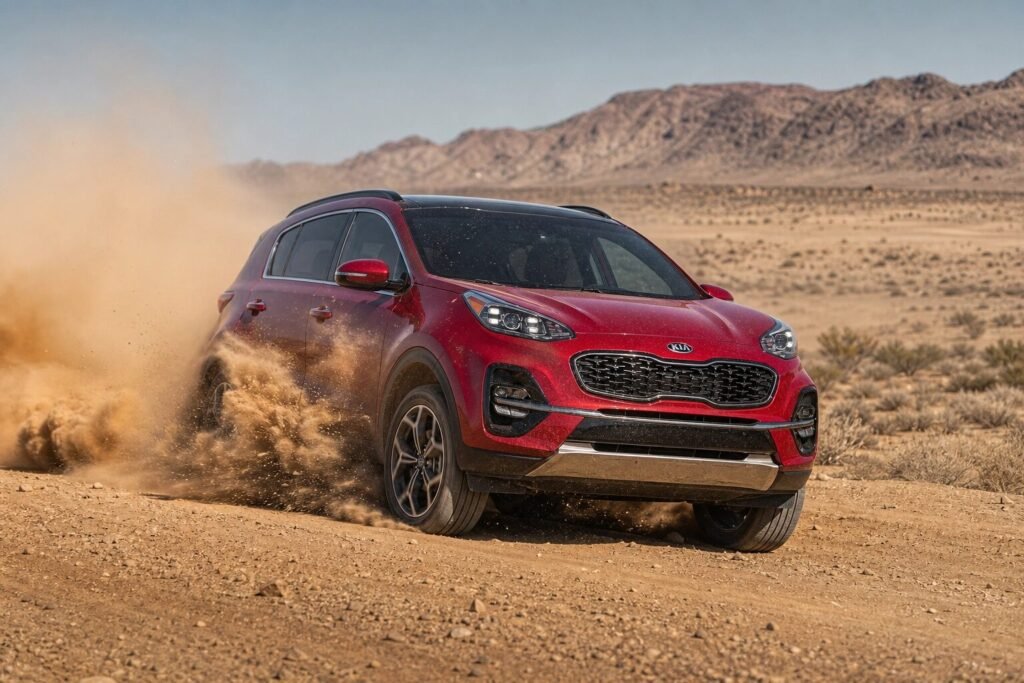
Had someone told me in 2017 that Pakistan’s automotive market was about to undergo its biggest transformation in decades, I probably wouldn’t have believed them. Electric cars arrived much later in Pakistan. All of this happened when KIA decided to come back to Pakistan, registered under Lucky Motor Corporation, and launched the KIA Sportage as the first official SUV of Pakistan. Alongside KIA, Hyundai brought its Tucson, which opened the Pakistani market to a whole new category of vehicles we had never considered before. Before the arrival of the KIA Sportage and Hyundai Tucson, modern crossover SUVs were largely absent from Pakistan’s locally assembled market. Buyers looking for an SUV often had to consider expensive imports or larger off-road-focused vehicles like the Toyota Fortuner or Prado. The middle class opted for hatchbacks while more affordable people went for sedans, and the crème de la crème went for German brands and other imports.
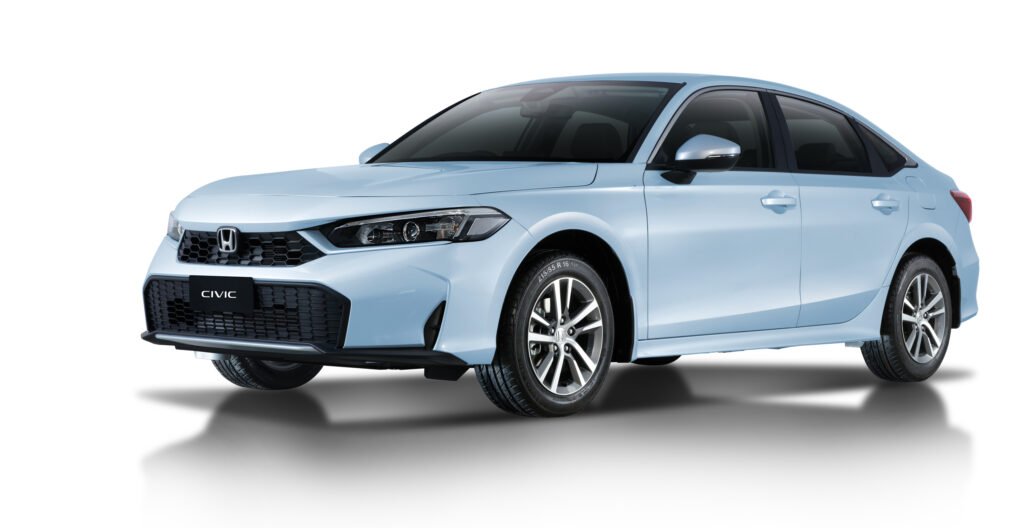
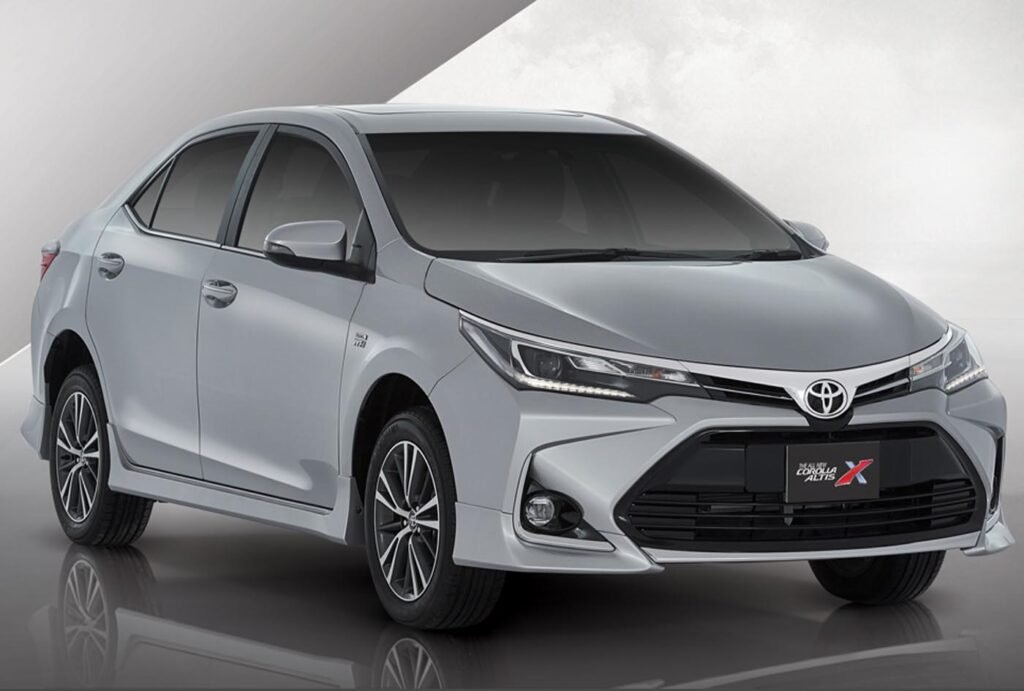
As people switched from Toyota Corolla Altis and Honda Civic to KIA Sportage and Hyundai Tucson, they started to see what these SUVs really offered. Better ground clearance, more space for groceries, modern styling, advanced safety features, perceived status, and better performance. This also satisfied the needs of people looking for a proper SUV because Toyota’s 4×4 models have always been far out of reach for a lot of people. Within months, the KIA Sportage and Hyundai Tucson paved the way for other brands like Haval and MG to arrive here as well. We never knew, but a huge automotive revolution had already begun, and if we look at the market today, our options from just ICE vehicles have grown to not just Hybrids, but also PHEVs and full EVs. In less than a decade, Pakistan’s automotive market has transformed dramatically. Buyers who once chose between a handful of petrol hatchbacks and sedans can now choose from hybrids, plug-in hybrids, range-extended EVs, and fully electric vehicles
The New Wave of EV Brands
Today, electric mobility is no longer a niche topic in Pakistan. The solar boom in housing has made owning an electric vehicle much more attractive to many buyers. Even if the thought of going completely going electric might be a little worrying for some people, many different options are now available in Pakistan, such as HEVs, PHEVs, BEVs, and REEVs. These are also brand-new options, and people do not have to look to the used car market to buy a hybrid imported from Japan or any other country.
EV Types at a Glance:
| Type | Runs on Electricity Alone? | Needs Petrol? |
|---|---|---|
| HEV | Limited | ✅ Yes |
| PHEV | Yes | ✅ Yes |
| REEV | Yes | ✅ Yes (generator) |
| BEV | ✅ Yes | ❌ No |
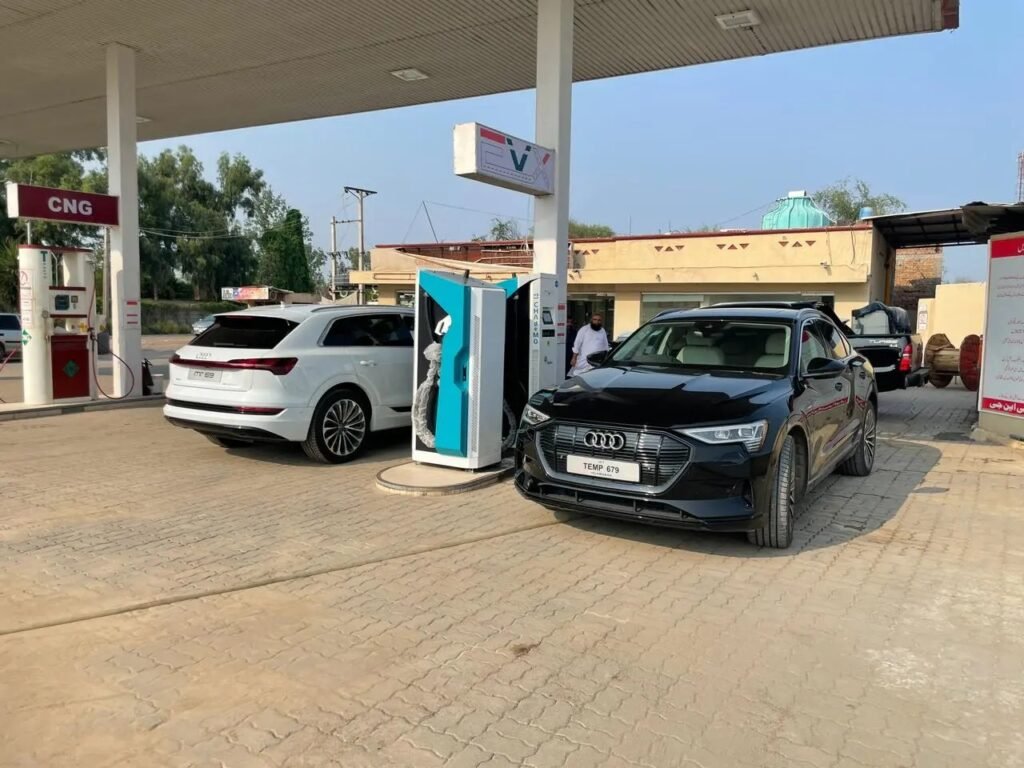
While many people will credit Chinese companies for bringing the EV revolution to Pakistan, we must not forget that it was actually Audi that brought the very first EV vehicles to Pakistan with its E-Tron range. Both the e-Tron SUV and GT were launched back in 2020, offering the highest tier of electric option for a premium price. Despite the premium price, the major issue with Audi’s lineup was range and charging infrastructure. It was never meant for the mass public. With Audi’s brand status, it was always meant for the smaller, luxury segment. When Audi launched its electric vehicles, no one was talking about electric vehicles. Its sales were low, the price was very high, and it was considered a luxury rather than a necessity.
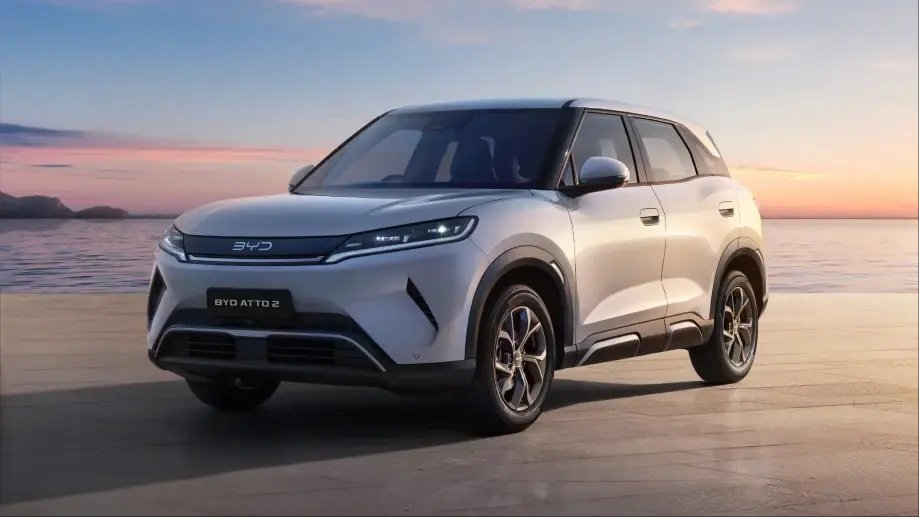
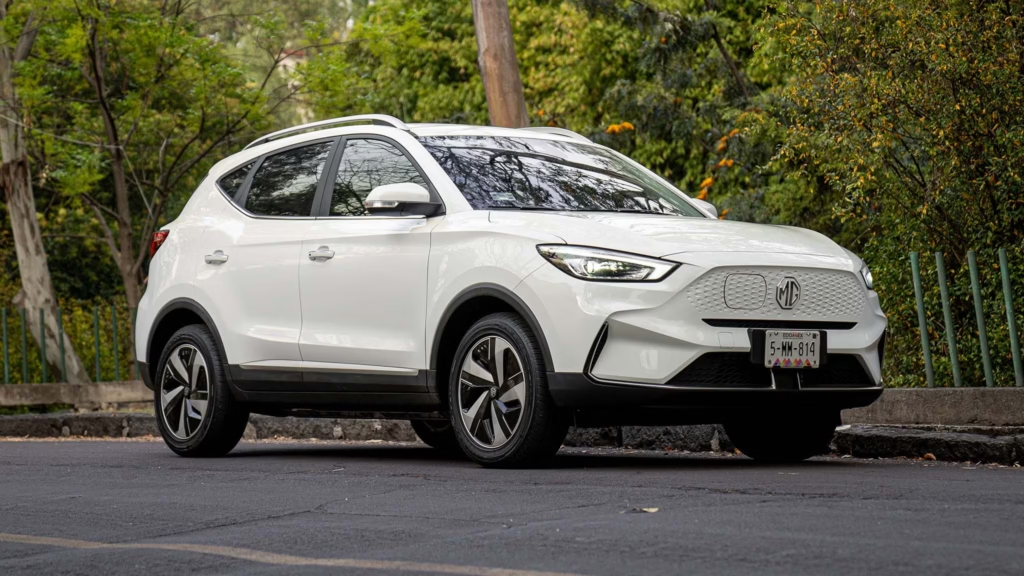
Following the success of KIA Sportage and Hyundai Tucson, many Chinese brands looked at this emerging market and brought their ICE vehicles such as Haval H6 and MG HS in late 2020 and 2021. However, things were already changing behind closed doors. People were starting to notice the high fuel costs, and they were actively looking for vehicles that are inclined towards saving fuel. Toyota’s hybrid range was an obvious choice for a lot of people, including the Prius and Aqua, and I will consider both of them pioneers of the electric revolution as well. Seeing this, the Chinese brands quickly changed their tactics by introducing HEVs and PHEVs to not only broaden their offerings but also bring a much more affordable solution to the now much more aware Pakistani market.
Also Read: Electric Cars Explained: Hybrid vs Plug-in Hybrid vs REEV vs EV
Today, the Pakistani market has an influx of Chinese EV brands with names such as BYD, Jetour, and Deepal offering purely electric SUVs of different categories. Many other brands have also switched tactics by introducing hybrid models such as the Toyota Corolla Cross and the Honda HRV. Haval H6 HEV and Sazgar Motor’s excellent brand strategy proved that Chinese hybrids are here to stay. Changan may have launched with ICE vehicles, but it brought its Deepal with the amazing S05, which is Pakistan’s first-ever REEV or range-extended electric vehicle. Other brands worth mentioning here include BYD, the pioneers of global EVs, which has launched purely EV lineups in Pakistan, offering people more options to choose from than ever. For the first time, Pakistani buyers can choose between multiple electrified powertrains across different price segments. A level of choice that simply didn’t exist a decade ago.
Charging Infrastructure
The biggest obstacle to electric vehicle adoption in Pakistan is no longer the lack of EV models. It’s whether owners can charge them conveniently and confidently. With so many EV companies officially launching in Pakistan, the infrastructure is gradually building up as well, but its speed is much slower than companies bringing in new EV models in the market. As of now, home charging is still the biggest advantage for buyers. With solar systems and home chargers installed in homes, EV owners simply need to plug in their vehicles like a mobile phone after they arrive home, and their vehicle can be charged easily.
The default chargers that most EV vehicles ship with come with powerful enough chargers that they can easily charge to full overnight when plugged in. Dedicated wall chargers are still a novelty, but they are expanding gradually due to the fact that most EV owners want to charge their vehicles themselves. Standard household outlets are slower than dedicated charging systems, but they offer the flexibility of overnight charging. For someone who has a solar system on their roof, their EV is technically running for free.
Apart from private charging, the public charging scene is also evolving as most petrol pumps in major cities are now offering EV charging stations as well. M2 Motorway between Lahore and Islamabad is also working on creating EV chargers in every major rest area, with the one at Bhera already functional. The challenge, however, remains their maintenance and the availability of electricity. Pakistan still suffers from widespread loadshedding, which can lead to issues at remote charging locations. These EV charging stations are relatively new, so most of them will not require immediate maintenance, but the availability of electricity will always remain a question. In Pakistan, EVs are much more suited to intercity travel between cities that are closer to each other, but in the cities, the infrastructure is much more powerful, making charging much easier.
| Challenge | Current Status |
|---|---|
| Charging Access | ⚠ Improving |
| Purchase Price | ❌ Major Barrier |
| Public Awareness | ⚠ Growing |
| Electricity Reliability | ⚠ Varies by Region |
| Service Network | ⚠ Expanding |
Consumer Confidence
No matter how advanced an electric vehicle may be, it won’t succeed if buyers don’t have confidence in owning it. For many Pakistanis, the biggest barriers to EV adoption aren’t the vehicles themselves but the questions that come after the purchase. Probably the biggest question every buyer currently has in their mind is the battery life and its replacement costs. We all remember the Jaecoo J7 incident that happened in the Northern Areas earlier this year and its massive repair estimate. Incidents like this are a serious cause of losing consumer confidence in EVs.
While machines can fail at any time they want, this is mitigated by massive warranties that Chinese companies are offering on their batteries. Jaecoo is offering an 8-year or 160,000 KM battery warranty on its J7 PHEV, BYD is offering a similar battery warranty for Atto 3, while Deepal offers an 8-year or 240,000 KM battery warranty for its S05. Mind that these warranties are separate from the vehicles, which are much lower as well. This is a great way to increase customer confidence in purchasing EVs and putting their mind at ease regarding costly battery replacements.
Nearly all EV manufacturers are also offering after-sales services in all major cities of Pakistan with official dealerships and workshops with trained staff to work on these advanced technologies. Replacement parts are easily available at these service centers, and diagnostic equipment can easily figure out what is wrong with the vehicle. While consumer trust is steadily rising in EVs, things like extended warranties, increasing infrastructure, and ease of maintenance are making it easier for new consumers to jump onto the EV bandwagon with increased confidence.
Government Support
Surprisingly, the Government of Pakistan is very keen for people to widely adopt the EV lifestyle. For this very purpose, the National Energy Efficiency and Conservation Authority (NEECA) has introduced its Charging Infrastructure and Battery Swapping Regulations, which are aimed at improving the charging infrastructure on a massive scale. As per the new policy document No.: M-302/L.-7636, the ministry is not only working towards establishing EV charging stations, but also Battery Swapping Stations, which is a massive step. Unlike the charging stations, these swapping stations are instant, and instead of charging the drained battery, they allow EV drivers to swap out the drained unit for a fully charged one and be on their way in minutes.
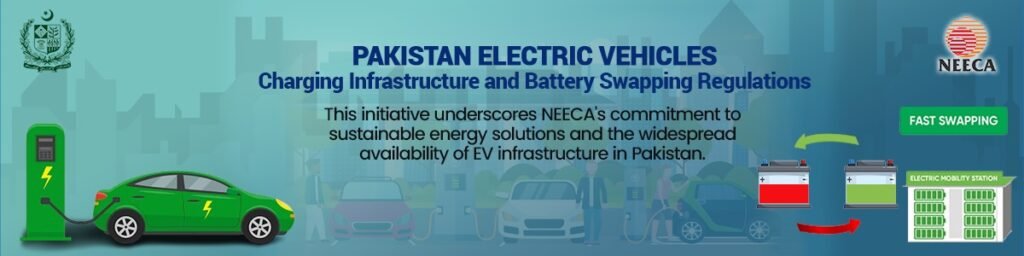
NEECA proposes five categories of EV chargers, ranging from slow residential charging to ultra-fast commercial stations capable of delivering more than 350 kW. The framework is designed to standardise charging infrastructure across homes, public parking areas, petrol stations, motorways, and commercial facilities.
NEECA has also announced that special Enforcement Officers will be hired, who will ensure that the new rules are followed. According to this new notification, all new petrol pumps in all major cities of Pakistan must include at least 2 EV chargers. Along with this, all new and reconstructed parking structures will ensure that a fixed percentage of parking spaces must be allocated to EVs with charging stations available for them.
In Islamabad, many public places are incorporating EV chargers to make it easier for people to charge their vehicles. Major malls like Giga Mall and Zeta Mall have now built EV chargers so that people visiting them can conveniently charge their vehicles while they shop. While these steps and infrastructure expansion are still in early stages, it is definitely heading in the right direction, and we can expect it to expand massively in just a few years.
Apart from implementing proper charging infrastructure, the Government of Pakistan is also offering a buying incentive on all EVs with a 1% sales tax concession. Proper EVs are still a little high on the price point, but with special discounts and tax reliefs, it is allowing people to gradually shift to them without much trouble.
The Biggest Challenges
Despite the government taking an interest in the EV infrastructure, the vast options available in the market, and consumer confidence growing rapidly, there are still some major challenges that are hindering EVs from becoming mainstream.
Charging Access:
The first and foremost is easy charging access for everyone. Not everyone can charge their vehicles at home due to various reasons, and for someone who has no charging infrastructure at home, owning an EV poses a big challenge. Public fast chargers are currently limited to major cities, with many suburban areas in these major cities still lacking in infrastructure to support EVs. If someone is taking their EV to their office and just parking there for the entire day, there are no charging stations where they can plug in their vehicles and leave them. While charging an EV has become easier than it was just a few years ago, expanding reliable public charging infrastructure will be essential to support wider adoption across the country.
High Purchase Price
Despite the government offering tax incentives on EVs, the initial purchase prices of EVs are still relatively higher. While their prices are lower compared to some of the more luxury alternatives, when compared with other vehicles in their category, their prices still tend to remain higher. For example, the cheapest ICE hatchback one can buy in Pakistan is the Suzuki Alto, whose base variant costs roughly around Rs. 2,850,000. It is a full-sized proper hatchback with four doors and good interior space.
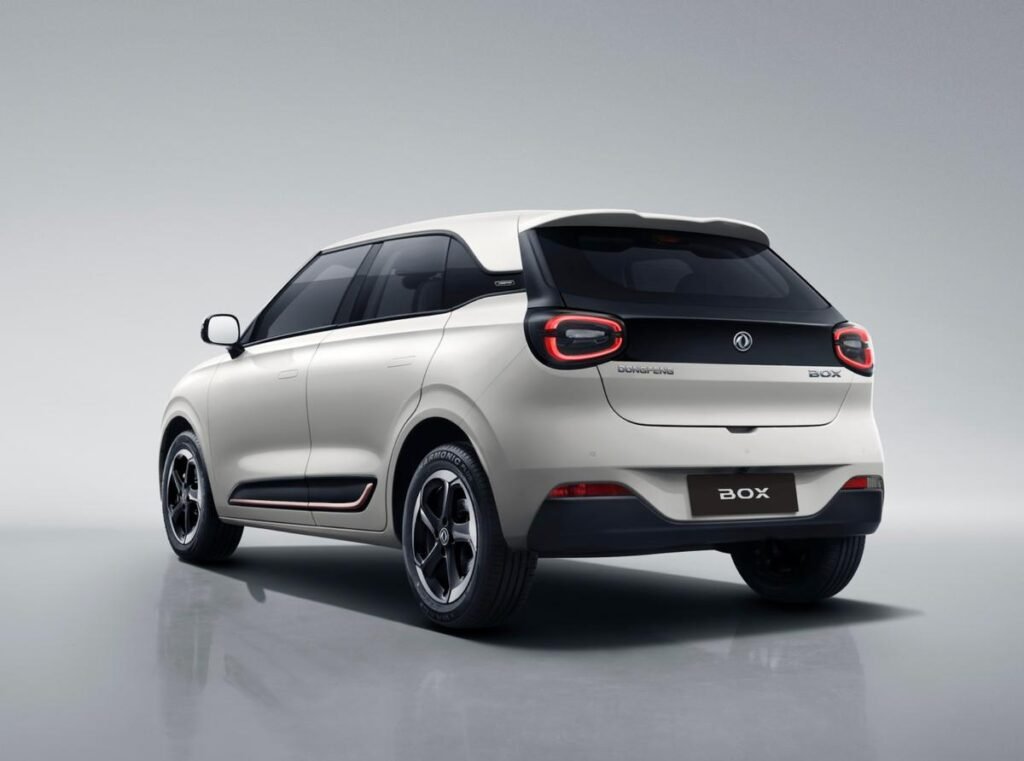
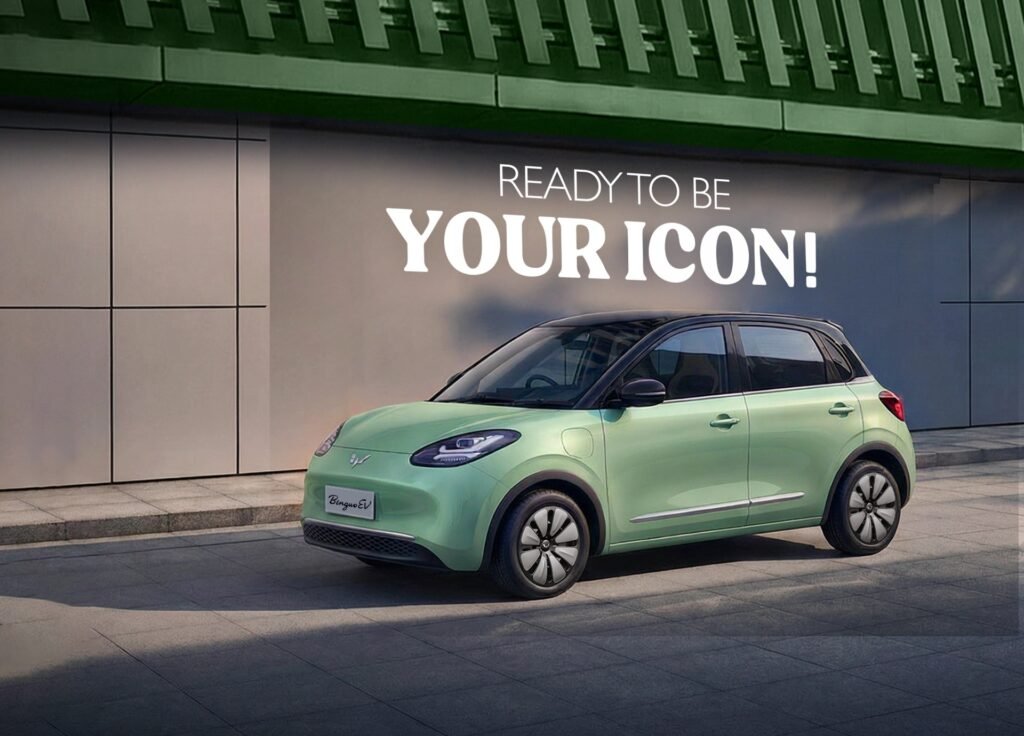
Compared to the EV offerings in the same price range, you have options like Alektra Metro, which looks like a hatchback but is extremely small, light, and offers the bare minimum when it comes to features. It costs Rs. 1,395,000 for its highest trim, but it is not suitable for family use like a Suzuki Alto. If you want a little higher-end model and opt for a proper hatchback, the GuGo Box is for around Rs. 6,650,000, which is sedan and entry-level SUV territory. There are no proper EV options that would compete directly with the Suzuki Alto in its price range. This makes the initial purchasing bracket of an EV pretty high and off-putting for a lot of people.
The biggest reason behind higher upfront EV costs is the constant fluctuation of import duties, local currency, and taxes. Every EV that is imported into the country has taxes slapped on it. This results in an instant increase in its price. While battery technology is gradually becoming cheaper globally, it remains high in Pakistan due to imports. Many banks are offering financial options for EVs, but they are much higher compared to ICE vehicles because EVs are still considered somewhat of a luxury in Pakistan.
Electricity Reliability
The biggest challenge in Pakistan for adopting mainstream EV traffic is its electricity reliability. Frequent load-shedding remains a concern not just in rural areas but also in major cities. This not only affects public charging but it can also disrupt the charging schedules in homes. In addition, when electricity is present, voltage fluctuations not only cause irregular charging but can also lead to damaged hardware, both the vehicle and the charger. What Pakistan really benefits from is home-based solar systems, and it greatly reduce the EV charging dependency on the main grid, but the government should provide some incentives to these home chargers to allow more people to switch to EVs.
Service Network
Finally, the service network for EVs is limited as of now. Servicing an EV requires proper tools and a trained team, something which is not available in rural areas of the country. Even in major cities, people need to visit special dealerships with service centers where such trained staff and machinery are present. Local workshops and mechanics are unable to work on these vehicles, and it is one of the biggest disadvantages of EVs over local ICE vehicles currently. As EV companies continue to expand their dealer networks, the after-sales coverage is expected to increase around the country as well.
On a positive note, none of these challenges are unique to Pakistan. Every country that has transitioned towards electric mobility has faced similar hurdles. The difference lies in how quickly infrastructure, consumer awareness, and industry support evolve to keep pace with growing demand.
Is Pakistan Actually Ready for Electric Cars?
In short, Pakistan is more prepared for electric vehicles than ever before, but the transition is still in its early stages. Urban buyers with access to home charging now have viable options, while improvements in infrastructure, affordability, and after-sales support will determine how quickly EV adoption expands nationwide.
Related News: Punjab’s New Vehicle Scrapping Policy: Will Your Old Car Be Banned?
