Electric Cars Explained: Hybrid vs Plug-in Hybrid vs REEV vs EV
From self-charging hybrids to fully electric vehicles, learn how each type works and discover which one best suits you the best

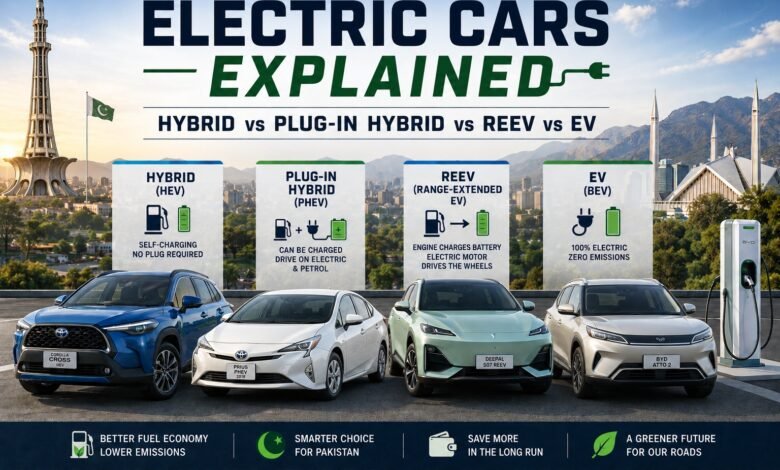
If you are confused about the electric revolution in Pakistan and want to learn about different types of electric vehicles currently available in the country, this guide is useful for you, as it explains different types of electric cars. Pakistan’s automotive industry has undergone major changes in the past five years. With the arrival of various Chinese brands, the industry is shifting swiftly from traditional ICE engines to different options like hybrids, super-hybrids, mid-hybrids, and the latest ones, EVs, and REEVs.
Today, if you are out in the market to purchase a vehicle, you will first need a good understanding of what each type of vehicle actually offers. Brands like BYD, Deepal, and Jetour have introduced fully electric vehicles to the Pakistani market, where terms like PHEV, EV, REEV, and Super-Hybrids are becoming increasingly common now. When you go to purchase a vehicle, all these brands will throw fancy words at you, which will make you even more confused, so you must be well-informed about what each term means and what the pros and cons of each vehicle type. If you’ve ever wondered about the difference between a Hybrid vs EV, or how a plug-in hybrid compares to a REEV, this guide explains each technology in simple terms.
The Electrification Spectrum
Every technology that exists today in the market was developed based on ICE technology. These engines may be considered gas guzzlers today, but they served as the basis of technology that evolved into hybrids and EVs. The graph below represents the technological flow that led to the development of all hybrid and electric technologies that exist today:
ICE → MHEV → HEV → PHEV → REEV → BEV
What is an Internal Combustion Engine (ICE)?
Before we move on to the newer power types, let’s quickly go over the decades-old tried-and-tested ICE, or internal combustion engine, that has powered the world for over a century. These engines require either petrol or diesel and also have a lot of moving mechanical components in them, which require regular maintenance. These engines also have a traditional transmission which drives the wheels using the engine’s power. These engines can also be revved, and they produce a sound based on their motor type.
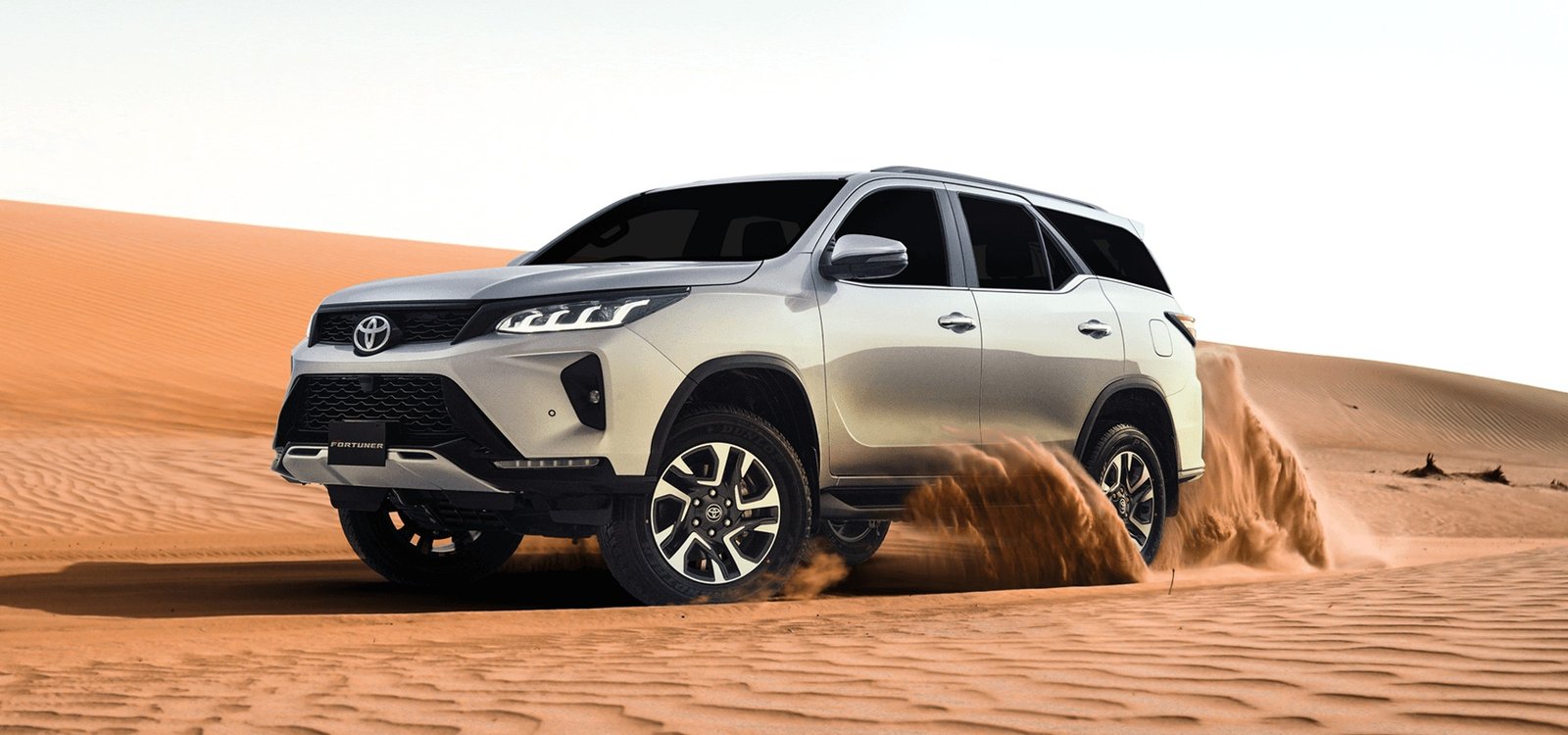
There is no electric motor in them for propulsion, and hence the only power produced is through the engine directly. These are the most common vehicles currently available in Pakistan with a vast refueling and maintenance network. Most of the hybrid and electric vehicles start from this baseline. Common examples of ICE vehicles include the Toyota Corolla, Honda City, Honda Civic, Hyundai Elantra (old gen), Toyota Fortuner, and Toyota Hilux.
| Pros | Cons |
| Easy and cheaper maintenance | Less fuel economy |
| Vast refueling options | Costly fuel |
| Instant refueling | Ignoring maintenance can further deteriorate fuel efficiency |
Mild Hybrid (MHEV)
The Mild Hybrid is the first step towards a full hybrid or EV system and serves as the base of electric vehicles in Pakistan. These vehicles come with a small battery which acts as a complementary power-provider to a main engine which requires petrol to run. These vehicles cannot run on electric power alone since their electric motor is very small and they are only good for storing power in their battery. The power stored in the battery is then used to complement the engine’s power and give it a little power boost, which results in less combustion of fuel. MHEV engines also produce a sound since their electric system only complements the petrol engine.
These motors are only there to assist the main engine, and they do not have enough power to drive the engine on their own. The most recent example of a mild hybrid in Pakistan is the new Suzuki Fronx. Other notable examples of MHEVs include mostly Japanese imports such as the new Suzuki Alto and Mazda Flair.
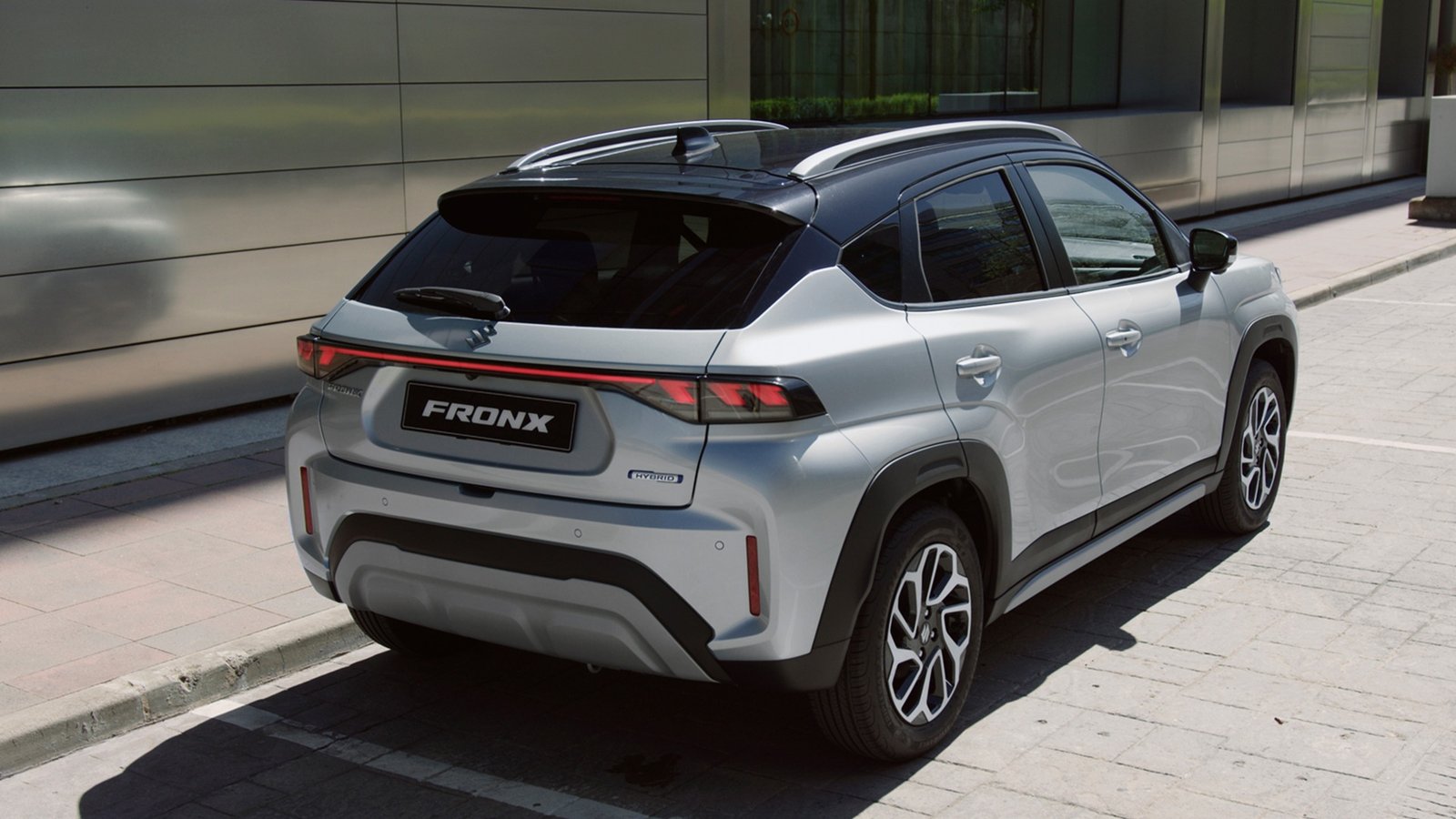
| Pros | Cons |
| Slightly better fuel economy than comparable ICE vehicles | Does not benefit from EV perks |
| Lower CO2 emissions | Small efficiency gains |
| Easier maintenance | Battery Replacement is costly |
Hybrid Electric Vehicle (HEV)
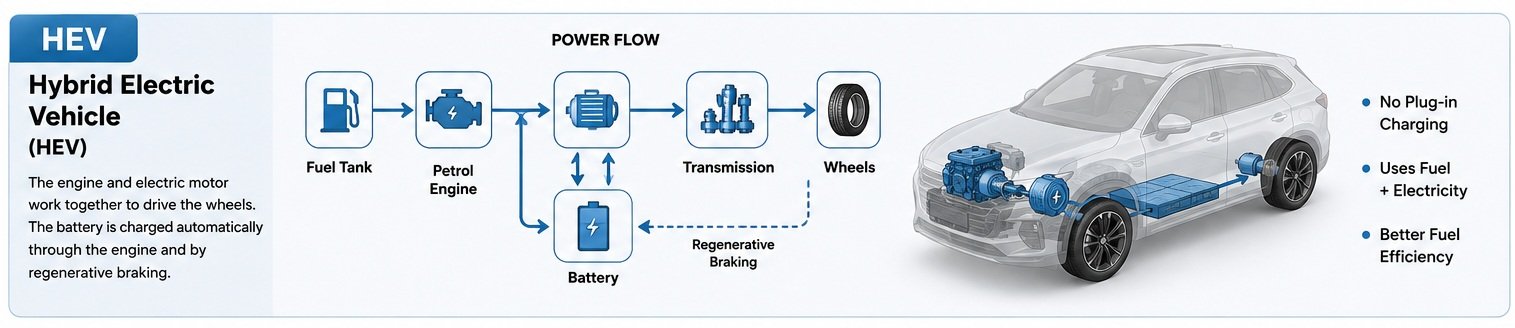
Hybrid cars in Pakistan have become increasingly popular due to their excellent fuel economy and the fact that they do not require external charging. Hybrid Electric Vehicles or HEVs are powered by both battery packs and a petrol engine, making them the best of both worlds. These vehicles differ from MHEVs because HEV battery packs are powerful enough to run the vehicle entirely on the pack. These vehicles can run at slower speeds entirely on electric power. They can also charge their battery packs on their own by utilizing technologies such as regenerative braking. HEV vehicles only produce a sound when their petrol engine is engaged. During slow speeds when their electric system is powering the vehicle, these vehicles do not produce a sound.
Their working cycle is:
Engine > Battery > Electric Motor
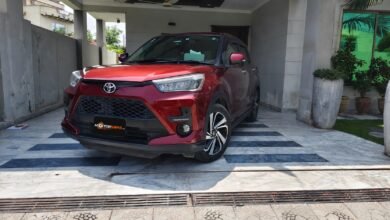
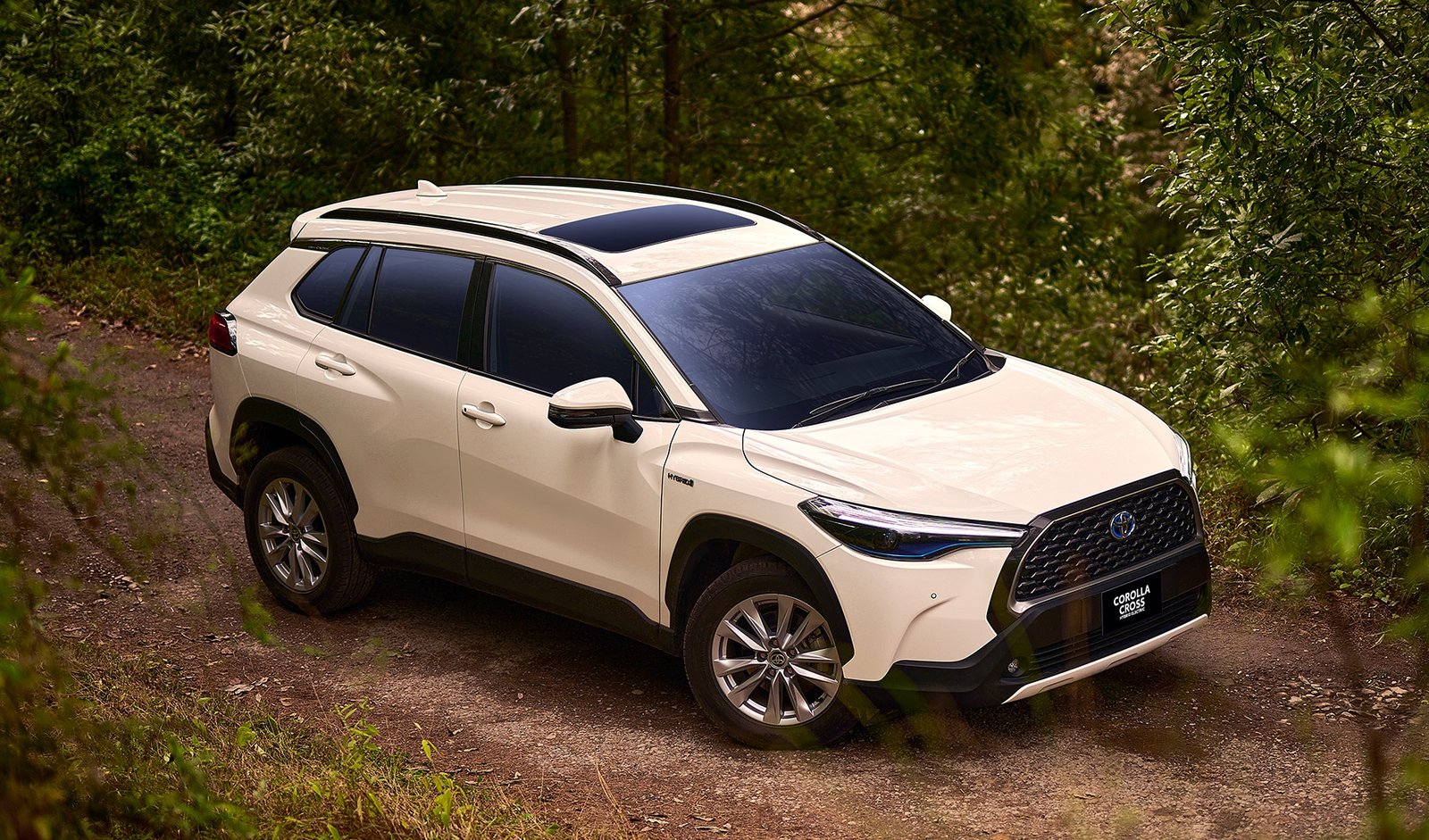
What differentiates these HEVs from pure EVs is that they cannot be charged by a separate cable like PHEVs, REEV, or BEVs. HEVs can only charge themselves. Some newer HEV technologies, like the Toyota Hybrid Synergy drive does not rely on regenerative braking alone, but the engine also charges the battery when it can. Common HEV examples in the Pakistani market include Haval H6 HEV, Haval Jolion HEV, Honda HR-V e:HEV, and Toyota Corolla Cross HEV. Most of the imports are now at least HEV, such as the entire Toyota range, including RAV4, Prius, Aqua, Raize, and many other options.
| Pros | Cons |
| Best efficiency compared to all vehicle types with an ICE | Battery replacement is expensive |
| Much more established market than EVs | Both ICE and electric system require maintenance |
| No plug-in requirement for charging | If one system fails, the other cannot work as well |
Plug-in Hybrid Vehicles or Super Hybrids (PHEV)
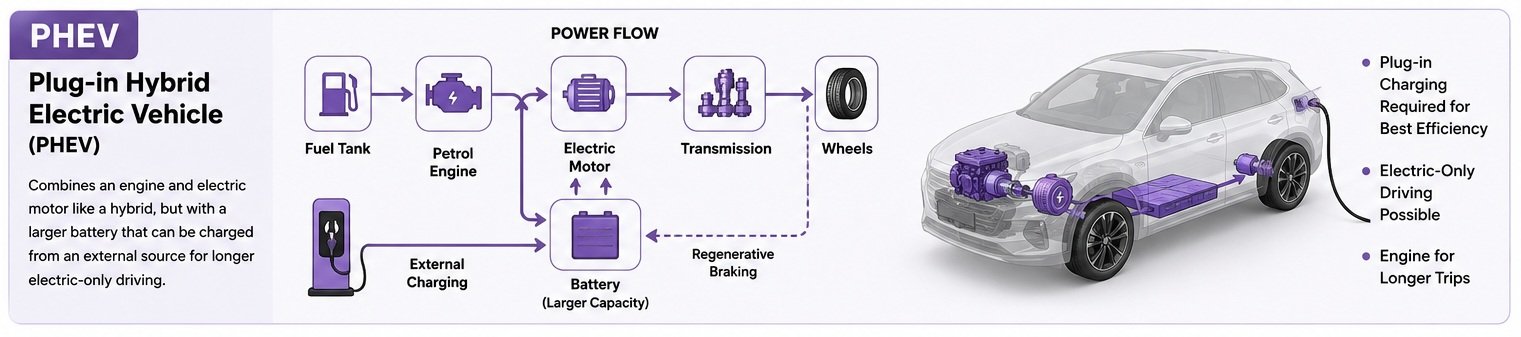
HEVs evolved into PHEVs, which are hybrid vehicles but can also be charged with a plug. Their remaining structure remains the same as that of a normal HEV. Their batteries are much bigger as compared to normal HEVs because they act as a proper propulsion medium similar to their petrol engine. Unlike the HEVs, these vehicles can switch completely to electricity thanks to their powerful batteries and, if required, switch completely to petrol. Its best efficiency comes when its battery is fully charged with a plug.
Related Article: What Is ADAS? A Complete Guide for Pakistani Car Buyers
Their working cycle is:
Engine > Large Battery < Charging Port
Super Hybrid is not a separate technology, but a marketing term used by some manufacturers to describe their plug-in hybrid systems. While the underlying technology varies between brands, these vehicles generally fall under the Plug-in Hybrid Electric Vehicle (PHEV) category. Examples of PHEVs in Pakistan include mostly Chinese brands like Chery Tiggo 7 PHEV, Chery Tiggo 8 PHEV, and Chery Tiggo 9 PHEV, along with Haval H6 PHEV and JAECOO J7 PHEV, which is also referred to by the company as a Super Hybrid. Imported examples include the Prius PHEV. Compared to BEV and HEV, PHEV options are fairly limited in Pakistan.
| Pros | Cons |
| Excellent fuel economy | Limited workshops for maintenance |
| Suitable for small and long routes | Expensive maintenance |
| Petrol and electric flexibility | Battery replacement is expensive |
Range-Extended Electric Vehicles
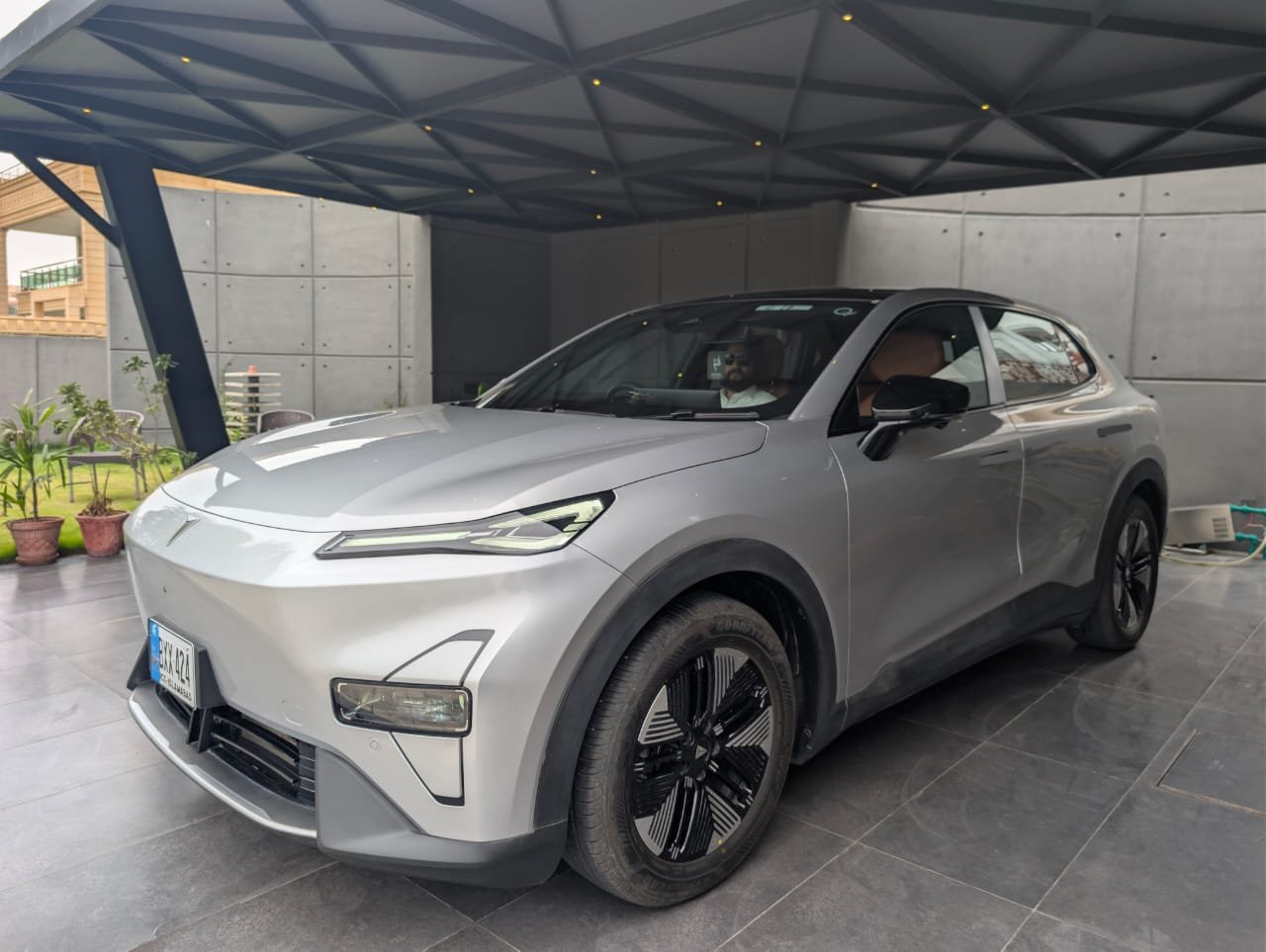
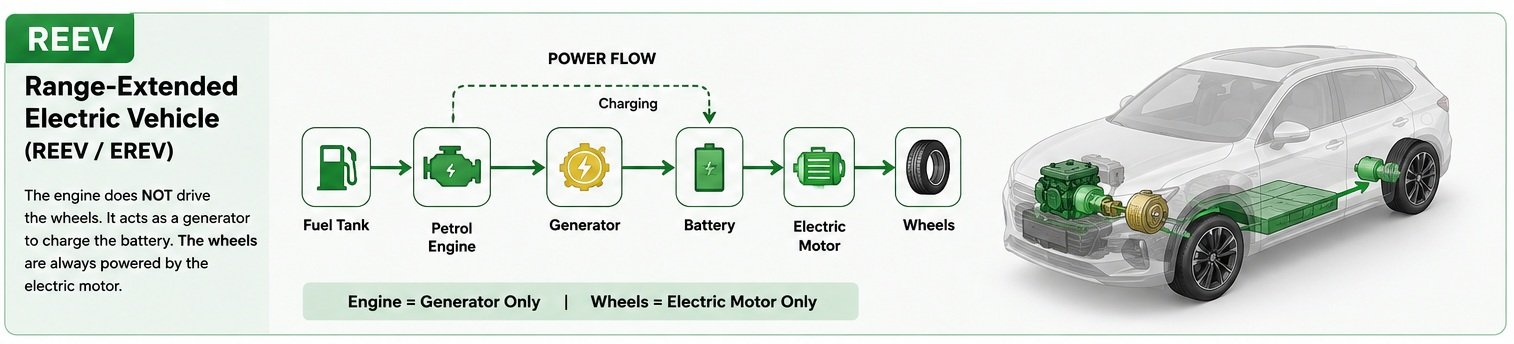
What is a REEV? The newest technology in EVs is currently the Range-Extended Electric Vehicle, or REEV in short. REEVs are different from all other EV vehicles because they come with both electric motors and a petrol engine, but the sole purpose of the petrol engine is to charge the battery. It is not connected to the wheels and thus cannot be used for driving the vehicle in any circumstances.
Their working cycle is:
Petrol Engine > Generator > Battery > Electric Motor > Wheels
The vehicle is driven entirely by its battery, which is charged with an external plug for maximum efficiency. These vehicles offer the highest mileage out of all electric vehicles because once their batteries are drained, their engine turns on and begins charging the battery through a generator. This eliminates the range issues as seen in BEVs. As of now, Pakistan only has a single REEV, which is the Deepal S05. Other Chinese brands are planning to launch additional REEVs in the country soon, such as Jetour.
| Pros | Cons |
| The best in-class mileage for any electric category | Requires both electric and engine maintenance, but engine maintenance is still lower than an ICE |
| They are completely soundless | REEV systems are heavier than conventional electric systems |
| Battery provides instant torque | Battery replacements are costly |
Battery Electric Vehicles or BEVs
Battery Electric Vehicles, EVs, or BEVs, are the most straightforward vehicles when it comes to electric vehicles. These vehicles do not have any sort of engines in them, and they work solely based on electric motors, which use the power stored in large batteries. The main issue with BEVs is that they require a solid charging infrastructure, and since they rely on pure battery power, their batteries degrade much more quickly compared to other electric vehicles like REEVs, HEVs, and PHEVs.
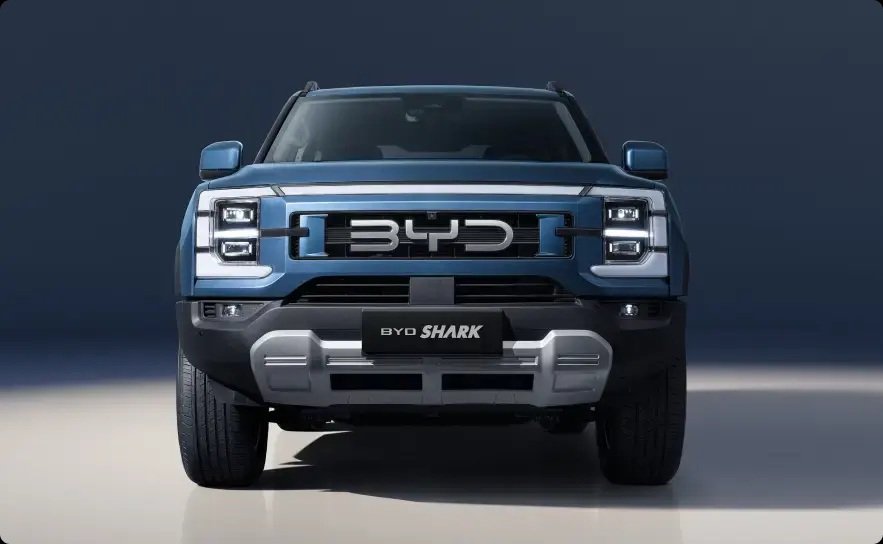
In addition, like all rechargeable batteries, EV batteries gradually lose capacity over time, although modern battery packs are designed to last many years and are typically covered by long-term manufacturer warranties. While newer technology has been in work for decades in the EV market, the standard EV has also received some improvements like DC fast charging, which allows you to charge more than half of a battery pack within minutes. Their range is fixed and will depend on your driving style. An aggressive driving style will drain the battery quickly, but cruising and low-pressure driving will result in better mileage. Common examples include the Audi e-Tron range that includes the e-Tron SUV and the GT, along with BYD vehicles like Atto 2 and Shark.
Which Electric Vehicle Type is best for Pakistan?
When it comes to making a decision on which electric vehicle type is best for Pakistan, we will need to dive further into the use and requirements of the purchaser. Every electric vehicle is suitable for a different type of usage, and while they may sound good on paper, their actual performance might be below par based on the usage and environments. For this purpose, we will categorize the usage into different categories.
Daily Commuting:
Daily commuting means red lights, constant turns, traffic jams, and short trips. In these conditions, HEVs perform the best because the regenerative braking keeps the batteries topped up. If you have charging available at home, BEVs are an excellent choice as well.
Long Motorway Travel:
The electric infrastructure on Pakistani motorways and long-distance routes is still very limited. Despite tons of EV vehicles now available on the market, many cities across the country still lack a proper charging station, let alone on far-off motorways and long routes. This raises some challenges for vehicles that rely completely on electrical power and cannot recharge their batteries with their engines. For long motorway travel, the best options include HEV, REEV and PHEV since their petrol engines can take over once the batteries are drained.
Lowest Fuel Bills:
If your main concern is to reduce petrol or diesel expenses to a minimum, your best option is BEV because they will eliminate the need for any sort of refueling as well as maintenance. If you have a solar system at home, you can drive these vehicles without any expense, as you can easily recharge them at home.
No Charging Access:
If you are currently living in an area where the charging infrastructure is poor or suffers from load-shedding, HEV is your best option because it does not require any sort of charging, and the batteries can be recharged by the engine and braking on its own.
Rural Areas:
Rural areas present the biggest challenge when it comes to adopting any type of EVs because not only is the charging infrastructure not adequate, but your access to workshops and mechanics will also be fairly limited. For rural areas, I highly recommend sticking to an ICE vehicle, but if you really want to make the switch, consider switching to a reliable HEV or an MHEV first and see how it performs.
Apartment Living:
A lot of people in Pakistan are living in apartments, which brings its own challenges when it comes to electric vehicles. Apartments usually do not have proper spaces, and people have to park outside in the open; sometimes people park in multilevel parking spaces, which are mostly found in the lower levels of their apartment complex. In these situations, choosing a REEV or a BEV is not recommended at all because it will bring a lot of charging issues. While REEVs can charge batteries with the engine, you will be missing out on the added battery mileage, and BEVs cannot work without a charge. For people living in apartments, the best electric options are HEV and MHEV.
| If you… | Buy |
|---|---|
| Mostly drive in the city | HEV |
| Have solar at home | BEV |
| Drive long distances often | REEV |
| Want maximum flexibility | PHEV |
| Live in a rural area | HEV or ICE |
| Want the lowest purchase price | MHEV |
Pros and Cons Comparison Table:
The table below shows you the basic features of all vehicle types at a glance:
| Feature | MHEV | HEV | PHEV | REEV | BEV |
| Petrol Engine | ✅ | ✅ | ✅ | ✅ (Generator Only) | ❌ |
| Electric Motor | ✅ | ✅ | ✅ | ✅ | ✅ |
| Plug Required | ❌ | ❌ | ✅ | ✅ | ✅ |
| Pure Electric Driving | ❌ | Limited | Yes | Yes | Yes |
| Long Distance | Excellent | Excellent | Excellent | Excellent | Depends on Charging |
| Lowest Running Cost | ❌ | ⭐⭐⭐ | ⭐⭐⭐⭐ | ⭐⭐⭐⭐ | ⭐⭐⭐⭐⭐ |
EV Charging in Pakistan:
EV charging is a relative challenge in Pakistan because different factors such as high electricity prices, poor infrastructure, and availability of proper home charging come into play. As of now, most EV owners prefer charging their vehicles in their own homes rather than public spaces. Major cities like Karachi, Islamabad, Lahore, and others are working on expanding their electric charging infrastructure, with many petrol pumps upgrading to add EV charging points as well.
Also Read: Is Pakistan Finally Ready for Electric Cars?
The M2 Motorway between Islamabad and Lahore is currently in the process of expanding its EV charging infrastructure as well, with different charging spots now available on rest areas such as Bhera, but the main issue remains the availability of electricity in these locations. Pakistan suffers from constant load-shedding, and rural areas tend to experience it more than major cities. This causes a major problem in the implementation of EV chargers in public places because even if a station is there, it needs a constant and steady supply of electricity to charge vehicles.
Frequently Asked Questions
Below, you will find answers to some of the frequently asked questions that people have in their minds when it comes to electric vehicles.
Q: Are hybrids electric cars?
Ans: Hybrids are considered electric vehicles because they use both a petrol engine and an electric motor to run the vehicle. However, unlike pure EVs, they do not rely solely on electric power for extended driving and must be refuelled with petrol to continue driving.
Q: Can hybrids run without petrol?
Ans: Hybrids cannot run without petrol. Their electrical power complements the petrol engine for better mileage and power, but it is not enough to drive the vehicle on its own, which is why you must refuel the vehicle with petrol when it is empty to drive it.
Q: Do REEVs have gearboxes?
Ans: REEVS do not have a traditional gearbox or transmission like hybrids or ICE vehicles. Some REEVs come with a single-speed reduction gear or a simplified transmission. The electric motors provide instant torque right from the start, which eliminates the need for a traditional gearbox.
Q: Do EVs need engine oil?
Ans: Battery EVs do not need engine oil, but HEVs, PHEVs, and REEVs have running engines, and they will need engine oil and regular engine maintenance.
Q: Can hybrids charge themselves?
Ans: Conventional hybrids like the Toyota Prius or even MHEVs like the Suzuki Fronx are fully capable of recharging their batteries. They use advanced techniques like Regenerative Braking to store the energy and recharge the battery.
Q: How long do EV batteries last?
Ans: This answer does not have a straightforward answer, but after doing some research online, it turns out that an EV battery can last between 8 and 15 years depending on the nature of use, physical environment, and battery type. Most Chinese manufacturers entering Pakistan are offering around an 8-year battery warranty or 160,000 KMs, which is a fairly good time period for a battery.
Q: Can I install a charger at home?
Ans: Nearly every EV manufacturer ships its vehicle with a charger. Depending on your charger, you can easily install it at your home, but if you want, you can also charge your EV from a traditional outlet where you plug your appliances in. However, a dedicated charger will be faster and offer better protection against fluctuations.
Q: Which is cheaper to own?
Ans: This answer depends on different factors like your driving style, your electric vehicle’s battery capacity, its charging method, and the environment it is being used in. As a general rule:
- HEVs generally offer lower fuel costs than conventional petrol cars without requiring charging.
- PHEVs can be very economical if charged regularly.
- BEVs usually have the lowest running and maintenance costs but require reliable charging infrastructure.
- REEVs provide a balance between electric driving and long-distance convenience but may have higher purchase prices.
When comparing a Hybrid vs EV, the right choice ultimately depends on your driving habits, access to charging, and budget rather than one technology being universally better than the other. I hope that this guide answered your questions about the types of electric vehicles currently available in Pakistan, and you can now purchase your desired vehicle with an increased level of information.
Still have questions? Feel free to ask them in the comments section below.